

Silence, ADHD, and the Creative Brain: Notes from Retreat
There are moments in a creative life when the noise (both inner and outer) becomes too much to move through. Add in the complications of running a business in these precarious times. It’s a lot. For me, this retreat wasn’t about escape. It was about recalibration. A chance to listen to what my ADHD brain had been trying to tell me for months.
Ever since I began Wide-Hearted Living, people have been telling me that I try to do too many things at once. And I’ve been telling them back that I can’t help myself. I say yes to things and get stuck in without thinking things through. I over-estimate my capacity. It kind of comes with the territory.
Booking in time out is part of my strategy for taking back control.
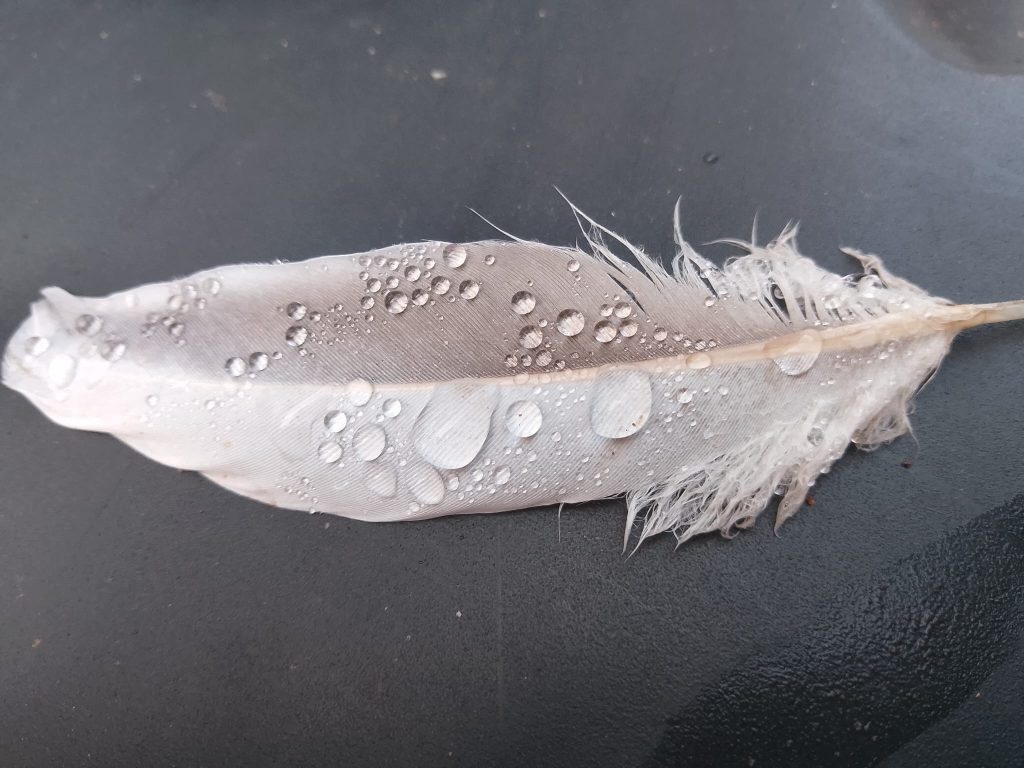
Arriving in Silence: Letting the Noise Fall Away
The silence doesn’t begin straight away. There’s a warm welcome. A tour for those new to Gaia House. A chance to do all the usual ‘hello’ chat with room-mates. This is my third time and I feel at home. A quick unpack and then into the grounds.
All is green. Wide views onto rolling hills and big skies. Usually, if you go for a walk through woodland, the birds will fall quiet. They hold their song until they’ve settled into trusting you aren’t a threat. At Gaia House, the bird song is constant. The creatures here know they have nothing to fear from humans.
Here, you don’t have to perform, respond, or produce. You don’t have to be “on.” You don’t even have to be interesting. You just have to be present.
For an ADHD mind, this is both relief and disorientation.
With the slowing of external stimulation, I become acutely aware of my own inner experience. Slowly, the nervous system starts to unclench. The body remembers how to breathe without rushing. The mind begins to settle into a different rhythm – one that isn’t driven by urgency.
What ADHD Feels Like Inside a Silent Retreat
ADHD inside silence is not the absence of stimulation – it’s noticing the presence of different stimulation.
Without external noise, the internal landscape becomes even louder at first. Thoughts ricochet.
We’re encouraged to notice. To observe our own experience. Yes- the brain tries to fill the space with its usual fireworks. But here, instead of responding, the practice supports us to settle into stillness. Keep coming back to the anchor points.
Let the mind do what the mind does. Concentrate instead on the breath. On the soundscapes. On body sensations.
The mind stops darting from place to place and instead lingers. Threads get followed. Patterns get noticed. Curiosity reigns. Kindness is king…. “Oh! This is what’s calling my attention. Why? What’s underneath? How can I bring the softness in?”
Yes, there is restlessness. At times, my toes seem to be playing a symphony. I change position. Again. And again.
No, it is not plain sailing. The space allows for emotional release.
Yes there are times when I want to leave. To find my usual distractions.
But I don’t. I stay. Let it all bubble and surface. Release and be done. And with the calm comes clarity. And a return to full self.
Why Creative Brains Need Collective Calm
One of the most surprising parts of a silent retreat is the sense of community that forms without words. You sit together, walk together, eat together – all without speaking – and yet the connection is unmistakable.
For creative people, this kind of collective calm is powerful. It removes comparison. It removes performance. It removes the pressure to be interesting or impressive.
Instead, you’re simply alongside others who are also choosing quiet. It’s belonging, without effort. This retreat had an extra element of this. It was a rainbow dharma retreat. More on the layer that brought another time.
This sense of community is rare in everyday life, but it’s essential. Creative brains thrive when they feel held, not judged. When they can rest inside a shared field of gentleness.
Curious how it feels?
My Integration - and Some Practices You Could Try (Even If You’re a Complete Beginner to Meditation)
Coming home from silence is its own transition. The world rushes back in, but something inside stays quieter, steadier, more spacious.
Here’s what I’m integrating into my everyday life, on top of my regular morning practices:
- Micro‑pauses – 30 seconds of stillness before switching tasks
- Creative drift time – lying down and letting ideas arrive without effort (this is in the calendar, not left to chance)
- Body‑first decisions – noticing what feels expansive vs. contracted (this is where the gold lives!)
And if you’re new to meditation or silence, here are gentle entry points:
- Sit for one minute after reading this, and simply notice your breath.
- Eat one meal without your phone.
- Walk without headphones and pay attention to sound.
This isn’t about becoming a different person. It’s about remembering the version of you that exists beneath the noise.
I spent a long time not knowing who I was and not being kind to myself. It doesn’t matter how long we spend not knowing.
It is never to late to start again.
It begins by deciding. You get to choose.
You get to choose.
You get to be fully you.
These practices will help you find your way back to yourself.
If you want some company, someone to help you figure out your next steps, give me a shout.
Resources
https://gaiahouse.co.uk/ for online and in-person retreats
https://dharmaseed.org/ A huge amount of interesting talks and guided meditations. I can highly recommend both teachers from my most recent retreat: River Wolton (who also loves poetry) and Bernat Font.
Tara Brach is also a favourite of mine.
Recently, our Working Well community has been requesting more grounding practices at the start of coaching sessions. These small moments of pause help people transition from busyness into presence, and they’re part of what makes the space feel so supportive. If you’re looking for a place where you can arrive as you are and find focus again, Autumn Well is now open.
